Why It Matters
Prior Authorization Services: Your Foundation for Cleaner
Approvals
Imagine we are sitting across from each other, sipping coffee. You
ask,
“What is the big deal with prior authorization?” Think of
it as the gate that decides whether the payer covers a procedure,
drug, or imaging study before service. Get it right and revenue
flows clean. Get it wrong and you eat denials, reschedules, and
angry patient calls.
What is prior authorization?
Prior authorization (also called pre-auth or pre-cert) is the
payer’s approval gate before service. Without it on file, claims
for the procedure, drug, or imaging study get denied or
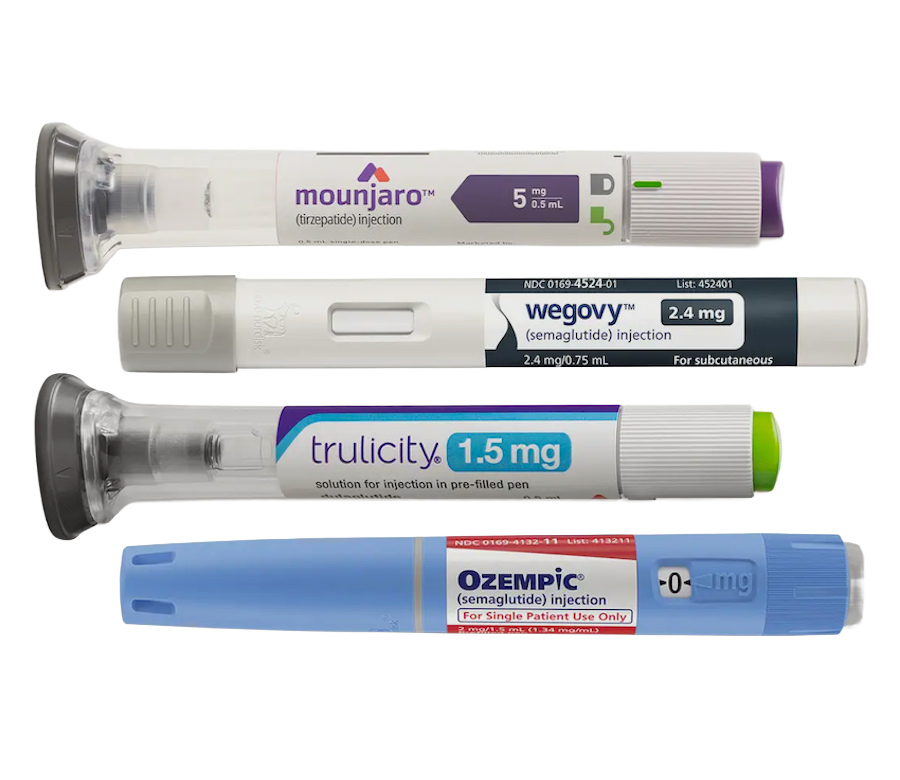
rejected. It applies to imaging, surgery, specialty drugs,
GLP-1, biologics, behavioral health, and DMEPOS.
What causes PA denials?
Six recurring causes: incomplete medical necessity
documentation, missing CPT or ICD codes, payer-policy
misalignment, expired auth windows, step-therapy gaps, and
out-of-network rendering provider issues. Pre-submission
scrubbing catches all six before the claim ships.
How does electronic prior authorization (ePA) work?
ePA uses CoverMyMeds, Surescripts, Availity, or direct payer
FHIR APIs to submit and track in real time. CMS-0057-F
(effective Jan 1, 2026 for impacted payers: MA, Medicaid FFS/MC,
CHIP FFS/MC, FFE QHPs) mandates 7-day standard windows and
72-hour expedited windows. First public reporting deadline was
March 31, 2026.
What is a prior authorization specialist?
A healthcare-trained pro (RN, PharmD, MD, or AAPC-credentialed
admin) who runs the full PA workflow: benefit verification,
medical necessity docs, payer portal submission, status
tracking, peer-to-peer prep, and appeals. Clinical decisions
stay with your providers.