

 Book a Demo to Build Your Team Today!
On-Demand Outsourcing BPO Services for Healthcare Providers With 24/7 Coverage!
Save up to 70% on staffing costs!
Browse Specialty Staffing Services


“I Didn’t Realize It Was Live-In” The Confusion That Breaks Coverage
In home care, clarity is key especially when it comes to scheduling. A simple misunderstanding can lead to a no-show, leaving both the patient and agency in a bind. Take this situation, for example: a caregiver was assigned to a patient, but due to a miscommunication, they didn’t realize that the patient required live-in care rather than hourly visits. This confusion led to a critical gap in coverage and, ultimately, a frustrating experience for both the family and the agency.
 Sophia Wilson

What Happens When You Mix Up Two Clients With the Same First Name?
In home care, accuracy is paramount, and a simple mix-up can quickly escalate into a larger issue. When clients share the same first name, it can be easy to assign the wrong caregiver to the wrong person, leading to missed appointments, frustrated clients, and potential disruptions in care. This seemingly small mistake can have a domino effect, impacting both the caregivers and the patients who rely on timely and proper care. In this article, we’ll explore the challenges that arise
Sophia Wilson

Why You Shouldn’t Schedule Without Reading the Progress Notes?
In home care, every detail matters, especially when it comes to matching the right caregiver to a patient’s needs. Skipping the vital step of reviewing patient progress notes can lead to scheduling mishaps that affect both the quality of care and the team’s efficiency. Imagine this: You’ve set up a caregiver schedule, only to realize after the fact that the wrong caregiver was assigned due to a missed note. This can cause confusion, disrupt the patient’s care plan, and put
Sophia Wilson
Why Orientation Schedules Often Get Overlooked in Busy Home Care Agencies?
In home care agencies, orientation schedules are a critical part of ensuring new hires are ready to provide the best care for patients. However, it’s not uncommon for these important schedules to get overlooked, especially in busy environments. So, why does this happen? Let’s break it down in a way that makes sense and discuss how you can avoid this pitfall. Dr. Smith: Hey, Dr. Joe. Have you noticed how orientation schedules always seem to fall through the cracks in
 William Brown
The Scheduler’s Dilemma: When You Only Have Two Floaters and Five Open Shifts?
In healthcare, scheduling floaters in healthcare staffing gaps isn’t just coordination—it’s crisis management. Especially when the math doesn’t add up. Imagine having five open shifts, but only two floaters. The numbers don’t lie, but somehow, the schedule still needs to get done. This is the everyday reality for schedulers. The stakes? Staff burnout, patient safety, and manager stress. But there’s a smarter way to handle the chaos. Key Takeaways Scheduling gaps are common and create serious ripple effects. Two floaters
 Venkata Ramarao Sanka
That Time a Client Asked for “The Nice Caregiver” But You Didn’t Know Who That Was?
In caregiving, there’s a fine line between meeting client preferences and interpreting them correctly. A common, yet sometimes funny situation arises when a client requests “the nice caregiver,” but there’s no clear record of who that actually is. It sounds simple, right? But without clear documentation and detailed client profiles, these vague preferences can cause scheduling confusion and frustration for both clients and caregivers. Let’s walk through how this issue can arise and what you can do to avoid it.
Venkata Ramarao Sanka
Why Ignoring Travel Reimbursement Promises Will Cost You Caregivers?
Travel reimbursement is a crucial part of the caregiving industry. Caregivers often drive long distances between clients, and if reimbursement promises aren’t clear or fulfilled, it can quickly lead to dissatisfaction, burnout, and turnover. Let’s dive into a real-world situation where miscommunication about mileage reimbursement led to significant fallout — and why agencies can’t afford to overlook this important detail. Key Takeaways: Travel reimbursement promises: Ignoring or miscommunicating these promises can lead to frustration and lost caregivers. The fallout: A
 Emma Davis
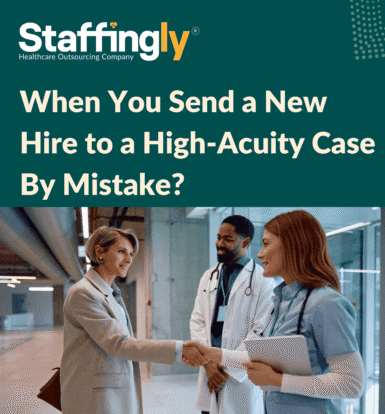
When You Send a New Hire to a High-Acuity Case By Mistake?
In caregiving, experience is key, especially when dealing with high-acuity cases that require specialized skills. However, a small mistake in scheduling can lead to a mismatch, where the caregiver’s skill level doesn’t align with the complexity of the case. This real-world story demonstrates what happens when a new caregiver is sent to a high-acuity client, and why ensuring the right fit is essential. Key Takeaways: Mismatched skills: New hires may lack the experience required for high-acuity cases, leading to stress
Emma Davis
 Read Case Studies
Ready to Build Your Team?

Categories

Recent Posts
- Revenue Cycle Management: The Complete Guide to Maximizing Your Practice’s Financial Health
- Prior Authorization Is Costing Your Practice 16+ Hours Per Week: Here’s How to Fix It
- How AI Voice Bots Are Fixing the Healthcare Front Desk?
- How To Cut Claim Denials In Half Without Adding More Staff?
- How AI Chatbot Services Are Redefining Patient Communication for Clinics?

 Virtual Medical Assistants
 Insurance Verification
 Prior Authorization (AI)
 Medical Scribing (AI)
 Telemedicine Services
 Medical Data Entry
 Medical Coding
 Revenue Cycle Management