
 Book a Demo to Build Your Team Today!
On-Demand Outsourcing BPO Services for Healthcare Providers With 24/7 Coverage!
Save up to 70% on staffing costs!
Browse Specialty Staffing Services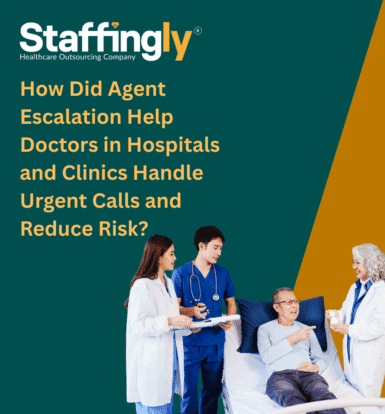


How Did Agent Escalation Help Doctors in Hospitals and Clinics Handle Urgent Calls and Reduce Risk?
In healthcare facilities, effective communication plays a critical role in ensuring patient safety and providing high-quality care. Given the time-sensitive nature of healthcare emergencies, agent escalation systems have become a game-changer, helping hospitals and clinics manage urgent calls efficiently and reduce the risk of errors. This technology ensures that healthcare professionals receive the right calls at the right time, which can make all the difference in life-threatening situations. Why Are Agent Escalation Systems Critical in Healthcare? Healthcare facilities, especially hospitals
 Venkata Ramarao Sanka
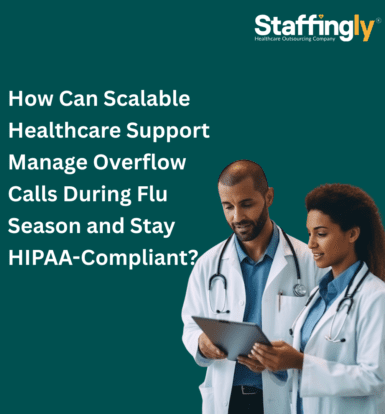
How Can Scalable Healthcare Support Manage Overflow Calls During Flu Season and Stay HIPAA-Compliant?
The flu season often brings a surge of healthcare-related calls, challenging healthcare providers to manage increased patient inquiries while maintaining the quality of care. During these peak times, managing overflow calls efficiently is crucial for both patient satisfaction and operational efficiency. To ensure smooth operations, healthcare providers are increasingly turning to scalable healthcare support systems that can handle these call surges without compromising on quality or security. In addition to managing overflow calls, healthcare facilities must also adhere to HIPAA
 Emma Davis
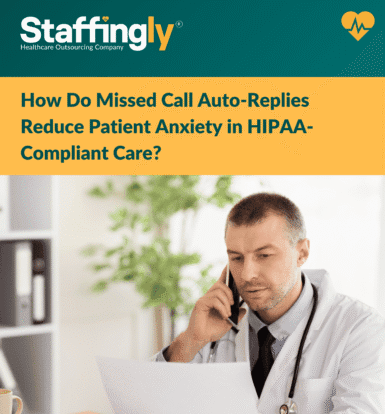
How Do Missed Call Auto-Replies Reduce Patient Anxiety in HIPAA-Compliant Care?
In healthcare, timely communication is more than a courtesy—it’s a critical part of patient trust and care continuity. Yet, during peak hours or high-demand seasons, missed calls are inevitable. For patients, those unanswered calls can lead to anxiety, uncertainty, and repeated call-backs. A simple but effective solution is missed call auto-replies, which, when implemented within HIPAA-compliant systems, can greatly improve patient satisfaction. Why Missed Calls Create Anxiety ? When patients reach out to their provider, they’re often seeking answers about
Venkata Ramarao Sanka
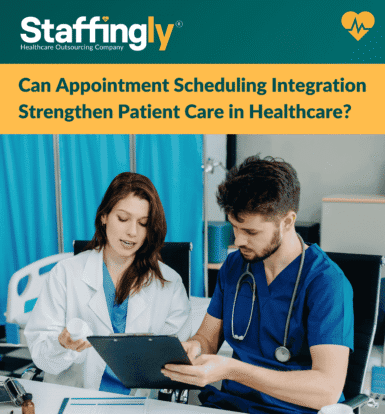
Can Appointment Scheduling Integration Strengthen Patient Care in Healthcare?
In the competitive world of US healthcare, patient care depends on the ability to provide fast, accurate, and seamless access to services. One of the most effective ways healthcare organizations are achieving this is through real-time appointment scheduling integration. By connecting booking systems directly with electronic health records (EHR), practice management software, and patient communication platforms, providers can transform both operational efficiency and the patient experience. Real-Time Scheduling for Better Patient Care Real-time scheduling integration ensures that when a patient
Emma Davis

How Do Culturally Trained Agents Improve Health Outcomes?
In today’s diverse healthcare landscape, culturally trained healthcare agents are emerging as essential assets in improving patient outcomes, reducing health disparities, and enhancing communication across healthcare organizations. As minority populations are expected to constitute more than 47% of the U.S. population by 2050, cultural competence in healthcare communication has never been more crucial. Healthcare outsourcing companies are increasingly prioritizing this aspect of patient care to ensure they effectively engage diverse populations, drive better patient outcomes, and meet the needs of
Venkata Ramarao Sanka
What Impact Do HIPAA-Compliant Communication Apps Have on Healthcare Team Coordination?
In the evolving landscape of U.S. healthcare, the integration of HIPAA-compliant messaging apps has become pivotal in enhancing communication and streamlining workflows. These platforms not only ensure the confidentiality of Protected Health Information (PHI) but also facilitate real-time collaboration among healthcare professionals. Traditional communication methods, such as phone calls and faxes, often lead to delays and miscommunications. HIPAA-compliant messaging apps offer secure, instant communication channels, allowing healthcare providers to share critical information promptly. For instance, platforms like TigerConnect and OhMD
Emma Davis
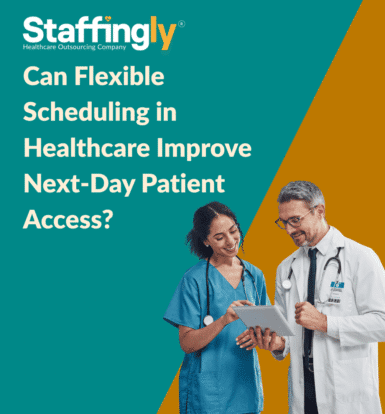
Can Flexible Scheduling in Healthcare Improve Next-Day Patient Access?
For years, healthcare scheduling followed a predictable pattern: fixed office hours, limited appointment slots, and little room for last-minute changes. But today’s patients expect faster, more convenient access to care. They want to book after hours, be seen sooner, and avoid waiting days for an available time. That’s where flexible scheduling comes in giving patients more ways to book and making it possible for hospitals and clinics to deliver next-day appointments, even for after-hours calls. Why Rigid Scheduling Hurts Access
Emma Davis
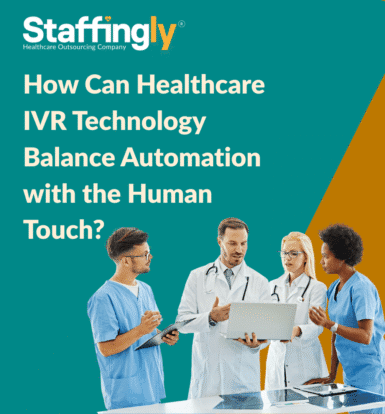
How Can Healthcare IVR Technology Balance Automation with the Human Touch?
Healthcare providers know the challenge all too well phone lines are constantly busy, call volumes have surged since the pandemic, and patients expect immediate responses. But here’s the dilemma: automation speeds things up, yet too much automation risks making patients feel unheard. Traditional Interactive Voice Response (IVR) systems often force patients through long menus, slowing down urgent calls and creating frustration. The right solution? An IVR designed specifically for healthcare one that handles routine tasks automatically but loops in a
Venkata Ramarao Sanka
 Read Case Studies
Ready to Build Your Team?

Categories

Recent Posts
- Revenue Cycle Management: The Complete Guide to Maximizing Your Practice’s Financial Health
- Prior Authorization Is Costing Your Practice 16+ Hours Per Week: Here’s How to Fix It
- How AI Voice Bots Are Fixing the Healthcare Front Desk?
- How To Cut Claim Denials In Half Without Adding More Staff?
- How AI Chatbot Services Are Redefining Patient Communication for Clinics?

 Virtual Medical Assistants
 Insurance Verification
 Prior Authorization (AI)
 Medical Scribing (AI)
 Telemedicine Services
 Medical Data Entry
 Medical Coding
 Revenue Cycle Management