
 Book a Demo to Build Your Team Today!
On-Demand Outsourcing BPO Services for Healthcare Providers With 24/7 Coverage!
Save up to 70% on staffing costs!
Browse Specialty Staffing Services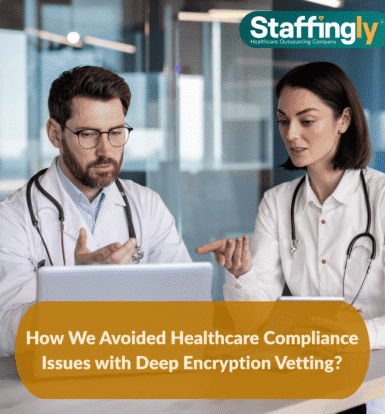


How We Avoided Healthcare Compliance Issues with Deep Encryption Vetting?
In the healthcare industry, safeguarding sensitive patient information is a top priority. With increasing regulatory pressures and the growing risk of data breaches, healthcare organizations must implement robust encryption protocols to ensure that confidential patient data is protected. One of the most effective strategies to avoid healthcare compliance issues is through deep encryption vetting, a comprehensive process that not only ensures data security but also helps healthcare organizations stay compliant with regulatory standards. The Importance of Healthcare Compliance Healthcare compliance
 Sophia Wilson

How Do Healthcare Agents Perfectly Follow Our Specialty Language?
In healthcare, effective communication is critical to ensuring the highest level of care for patients. The ability of healthcare agents to understand and use specialty-specific language plays a vital role in achieving this goal. Whether it’s medical terminology, clinical guidelines, or the nuances of patient care protocols, healthcare agents must be well-versed in the language of their particular specialty to ensure smooth interactions, accurate documentation, and optimal patient outcomes. But how exactly do healthcare agents perfect this skill? What Is
Sophia Wilson

Hospital Claims Workflow Visibility for Revenue Protection
The healthcare industry, particularly in hospitals, faces constant pressure to maintain accurate and efficient claims workflows. The complexity of medical billing, combined with the variety of insurance providers, codes, and regulations, makes it increasingly difficult for hospitals to effectively manage claims and ensure timely payments. Without proper visibility into the claims workflow, hospitals risk delays, denials, or errors that can negatively impact revenue generation and overall financial health. In this article, we will explore the importance of hospital claims workflow
 Noah Thomas
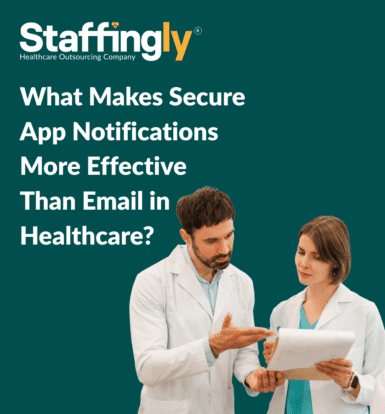
What Makes Secure App Notifications More Effective Than Email in Healthcare?
In the ever-evolving healthcare landscape, effective communication between healthcare providers and patients is essential for ensuring a high standard of care. As technology advances, the methods by which this communication takes place have also evolved. One of the most significant shifts has been the move from traditional email to secure app notifications. While email has long been a primary mode of communication, secure app notifications are increasingly being recognized as a more efficient and secure method for delivering crucial healthcare
Sophia Wilson
Reducing Treatment Delays from Hospital Prior Authorization Backlogs
Prior authorization (PA) is an essential component of the healthcare system, serving as a mechanism for insurance companies to ensure that treatments, procedures, and medications are medically necessary and cost-effective. However, when the prior authorization process becomes bogged down by backlogs, it can result in significant delays in patient treatment. These delays not only negatively impact patient outcomes but also put added pressure on healthcare providers, administrators, and billing teams. This article explores the causes of prior authorization backlogs in
Noah Thomas

Overcoming Hospital RCM Tech Adoption Challenges with Training
The healthcare industry is undergoing a technological revolution, and Revenue Cycle Management (RCM) is no exception. Hospitals are increasingly adopting new technologies to streamline their billing, coding, and claims processes, improve operational efficiency, and boost financial performance. However, the implementation of RCM technology often presents significant challenges, particularly when it comes to ensuring smooth adoption by hospital staff. Without proper training, even the most advanced technology can fall short of expectations, leading to delays, errors, and resistance to change. In
Noah Thomas

Improving Patient Registration and Eligibility Accuracy in Hospitals
Accurate patient registration and eligibility verification are crucial for ensuring a hospital’s revenue cycle runs smoothly. Incorrect or incomplete patient information can lead to claim denials, delayed reimbursements, and frustrated patients. Inaccurate eligibility verification, especially in today’s complex insurance environment, is one of the leading causes of claim rejections and payment delays. Ensuring that patient registration and eligibility processes are accurate not only enhances operational efficiency but also significantly impacts a hospital’s financial health. In this article, we’ll explore key
Noah Thomas

How Can Post-Visit Call Surveys Improve Healthcare Insights?
In the fast-evolving landscape of healthcare, providing exceptional care is no longer just about what happens during a visit, but also about understanding patient experiences after they leave. Post-visit call surveys have become a powerful tool for gathering valuable insights that help healthcare providers improve care quality, patient satisfaction, and operational efficiency. These surveys allow providers to capture feedback directly from patients, giving a more comprehensive picture of their care experience. Understanding Post-Visit Call Surveys Post-visit call surveys are brief
Sophia Wilson
 Read Case Studies
Ready to Build Your Team?

Categories

Recent Posts
- Revenue Cycle Management: The Complete Guide to Maximizing Your Practice’s Financial Health
- Prior Authorization Is Costing Your Practice 16+ Hours Per Week: Here’s How to Fix It
- How AI Voice Bots Are Fixing the Healthcare Front Desk?
- How To Cut Claim Denials In Half Without Adding More Staff?
- How AI Chatbot Services Are Redefining Patient Communication for Clinics?

 Virtual Medical Assistants
 Insurance Verification
 Prior Authorization (AI)
 Medical Scribing (AI)
 Telemedicine Services
 Medical Data Entry
 Medical Coding
 Revenue Cycle Management