

 Book a Demo to Build Your Team Today!
On-Demand Outsourcing BPO Services for Healthcare Providers With 24/7 Coverage!
Save up to 70% on staffing costs!
Browse Specialty Staffing Services


Understanding the Prior Authorization Process for Precocious Puberty Medications in Denver
Navigating the prior authorization for precocious puberty in Denver is crucial for healthcare providers managing young patients’ treatments. This process ensures that specialized medications are accessible, timely, and covered by insurance, safeguarding children’s health. However, prior authorization often involves extensive paperwork, insurance verification, and strict compliance with insurer policies, making it a challenging administrative task. By leveraging prior authorization for precocious puberty in Denver with the help of virtual medical assistants and healthcare outsourcing solutions, providers can streamline documentation, reduce
 Monica Michael
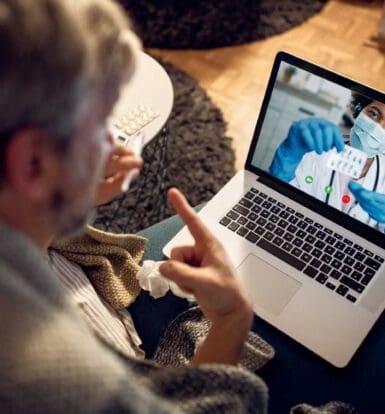
Why Healthcare Providers Need Medical Virtual Assistant Services Today?
In today’s fast-paced healthcare environment, keeping up with patient communication can be a challenge. Missed calls, delayed responses, and administrative overload can lead to patient dissatisfaction and staff burnout. That’s where Medical Virtual Assistant Services come in. At Staffingly, Inc., we provide top-tier Medical Virtual Assistant Services to help Alabama healthcare providers streamline operations, improve patient engagement, and reduce administrative burdens. With a Virtual Medical Assistant handling scheduling, follow-ups, and patient inquiries, your team can focus on delivering quality care.
 Sophia Wilson

What’s Next for Wearable Technology in Healthcare?
Wearable technology is transforming healthcare by providing innovative tools that improve patient outcomes and optimize medical workflows. These devices go beyond basic fitness tracking, playing a vital role in remote monitoring, chronic disease management, and real-time health tracking. The growing use of wearable technology in healthcare allows providers to detect irregular heart rhythms, monitor glucose levels continuously, and gather critical health data. As these wearables become more advanced, they are shaping a future where proactive and personalized care is the
Sophia Wilson
Evaluating the Effectiveness of Wearable Health Technologies
Wearable health technologies are transforming the healthcare industry by providing real-time insights into patient health. Devices like smartwatches and IoT-enabled trackers continuously monitor vital signs, detect irregularities, and collect essential health data. The increasing use of wearable health technologies in healthcare allows for early detection of potential health issues, enabling timely interventions that improve patient outcomes and enhance overall care efficiency. The growing adoption of wearable health technologies in healthcare highlights their potential to enhance medical processes and improve overall
Sophia Wilson
How Digital Patient Portals Improve Revenue Collection?
In today’s digital age, healthcare organizations are increasingly turning to technology to streamline operations, improve patient satisfaction, and boost financial performance. One such technology is the digital patient portal, which allows patients to access their health information, schedule appointments, communicate with providers, and make payments all from the convenience of their smartphones or computers. Digital patient portals not only improve patient engagement and communication but also play a significant role in improving revenue collection for healthcare organizations. By enabling patients
 Noah Thomas
Why is certified medical coding crucial in Connecticut?
Medical coding isn’t just about turning diagnoses and treatments into codes—it’s the backbone of healthcare billing and reimbursement. Without accurate coding, facilities in Connecticut could face delayed payments, claim denials, and compliance issues. So, why is certified medical coding essential for Connecticut’s healthcare facilities? What Is Certified Medical Coding? Certified medical coding ensures that healthcare providers use standardized codes to document patient conditions and treatments. These codes help insurance companies, Medicare, and Medicaid process claims efficiently. In Connecticut, like everywhere
 Emma Davis
Why Alabama Healthcare Providers Need HIPAA-Compliant Virtual Medical Assistants?
In today’s fast-paced healthcare environment, HIPAA-compliant virtual medical assistants in Alabama are revolutionizing patient care and administrative efficiency. Not only do these professionals help streamline operations, but they also reduce costs and enhance patient experiences. Most importantly, they ensure strict compliance with HIPAA regulations, keeping patient data secure. For Alabama healthcare providers, adopting HIPAA-compliant virtual medical assistants isn’t just about convenience—it’s about protecting sensitive patient data and maintaining trust. This article explores why HIPAA compliance is crucial, the benefits of
Sophia Wilson

Balancing Patient Care and Revenue Cycle Efficiency
In the healthcare industry, providing high-quality patient care while maintaining efficient revenue cycle management (RCM) is crucial for the long-term success of any healthcare organization. While patient care is the primary focus, optimizing revenue cycle processes ensures that the organization remains financially healthy, sustainable, and capable of continuing to offer excellent care. However, achieving a balance between patient satisfaction and financial performance can be challenging. Let’s explore how healthcare organizations can balance patient care and revenue cycle efficiency to achieve
Noah Thomas
 Read Case Studies
Ready to Build Your Team?

Categories

Recent Posts
- Revenue Cycle Management: The Complete Guide to Maximizing Your Practice’s Financial Health
- Prior Authorization Is Costing Your Practice 16+ Hours Per Week: Here’s How to Fix It
- How AI Voice Bots Are Fixing the Healthcare Front Desk?
- How To Cut Claim Denials In Half Without Adding More Staff?
- How AI Chatbot Services Are Redefining Patient Communication for Clinics?

 Virtual Medical Assistants
 Insurance Verification
 Prior Authorization (AI)
 Medical Scribing (AI)
 Telemedicine Services
 Medical Data Entry
 Medical Coding
 Revenue Cycle Management