
You Focus on Patient Care. We Handle the Admin.
Healthcare Outsourcing That Actually Works.
Our Top 1% of overseas MDs, RNs, and PharmDs deliver AI-enabled healthcare outsourcing. Prior auths, eligibility verification, virtual medical assistants, revenue cycle management, credentialing, and scheduling. Serving practices and health systems across United States. 70% cost savings. Live in 1-2 weeks. Request information
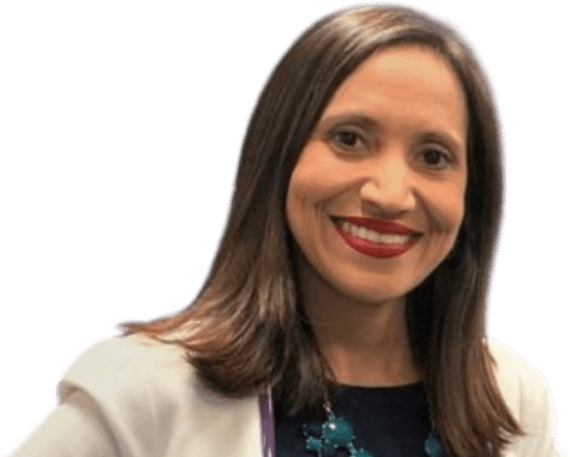
“They cleared a 4-month PA backlog in 14 days.”
Dr. Miladys Palau · Pediatric Endocrinologist · TopLine MD Alliance
1,500+ HIPAA-Compliant Workflows. Built for Healthcare.
Overseas Credentialed virtual medical staff handling your front and back office, supported by AI automations that speed up the repetitive work. Real people. Real workflows. Real results.
Virtual Medical Assistants
Credentialed VMAs for scheduling, patient calls, referrals, intake, chart prep. Live in 48-72 hours.
Insurance Verification
Real-time eligibility checks. Prevent 30%+ of denials before they happen. pVerify + 50 EMRs.
Top-Rated ServicePrior Authorization
AI-assisted PA submissions. 92% first-pass approval. Every major payer portal with dedicated follow-up.
Revenue Cycle Management
End-to-end RCM: coding, claims, denial management, AR follow-up. 99.2% clean claim rate.
Credentialing & Enrollment
Provider credentialing and payer enrollment. CAQH, re-credentialing, all 50 states, 25+ specialties.
Medical Coding
CPC and CCS certified coders. ICD-10, CPT, HCPCS. 98%+ accuracy with same-day turnaround for all major specialties.
Trusted by Leading Healthcare Organizations






Every practice type. All 50 states.
Solo clinics to 500-provider networks. Purpose-built workflows for your specialty, not generic solutions adapted for healthcare.
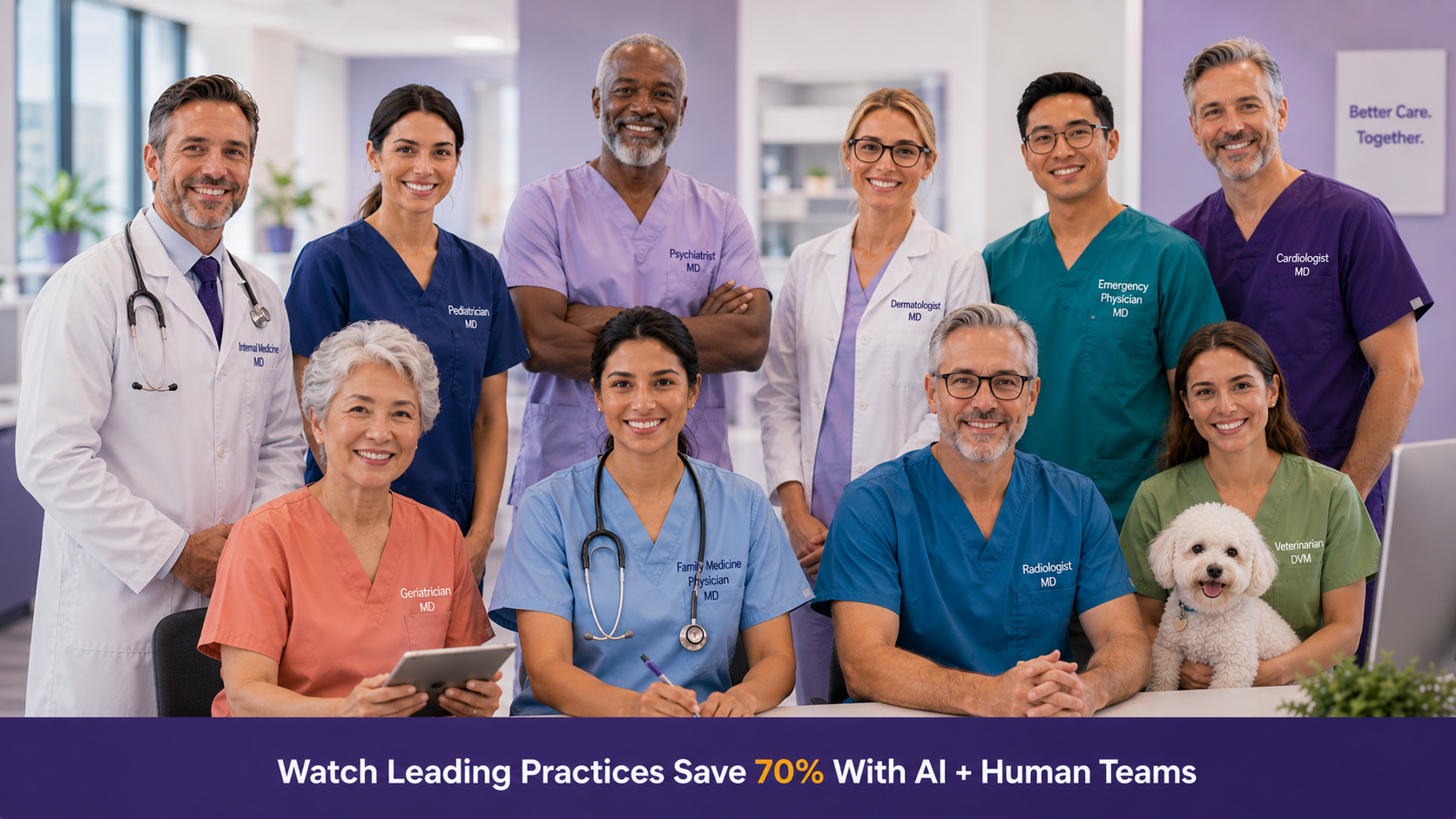
Specialized Psychiatry & Telepsychiatry Support
HIPAA-compliant virtual assistants for telehealth psychiatry: intake, eligibility, prior authorization, controlled-substance refills, TMS, and Spravato. Live in 1 to 2 weeks.
Built for scale. White-label ready.
From single-location practices to 500+ provider health systems. SLA guarantees. Dedicated account teams.
Hospital Systems & IDNs
RCM, prior auth, credentialing, VMAs
Hospital RCM
Enterprise revenue cycle & prior auth
MSOs & Physician Networks
Prior auth, eligibility, IPA & PE support
DSOs & PE-Backed Dental
Billing, credentialing, verification
FQHC & RHC Networks
PPS/AIR billing, sliding fee, HRSA UDS
Behavioral Health & ABA
ABA authorization, BCBA credentialing
ASC Networks
Surgical PA, OON negotiation, ASC billing
Urgent Care Networks
Credentialing, workers-comp, after-hours
LTC & Specialty Pharmacy
LTC, ALF & nursing-home pharmacy ops
Healthcare IT Support
EHR, clearinghouse, zero-trust PHI
AI Automation Companies Human-in-the-loop
Human support teams behind your AI agents and automation, the people layer that keeps AI-driven workflows accurate and compliant.
Live in 1-2 Weeks. No long-term contracts.
We built the fastest onboarding process in the industry because you don’t have time to wait.
strategy call
15-minute call to understand your workflows and pain points.
Interview & Select
Hand-pick your dedicated staff. You interview before you hire.
Onboarding
We handle IT, security, HR setup. BAA executed. EMR access configured.
Go Live
Your dedicated staff logs in. Two-week risk-free pilot included.
Savings Start
Your savings will begin, and operations will be simplified for greater efficiency.
Staffingly’s dedicated healthcare teams cut staffing costs by an average of 70% versus hiring in-house US staff — with no setup fees and no long-term contracts.
Calculate Your SavingsForget traditional outsourcing. See what our providers say.
“We were four months behind on prior authorizations which is very difficult because I deal with a lot of specialty medications, growth hormone, diabetes. I was desperate. We finally found Staffingly and to be honest they are part of my team now. They have made my life so much easier. I don’t have the stress of the prior auths anymore. It has been a game changer for my practice for sure.”
Read All Success Stories
“I just want to take the opportunity to recognize and thank Staffingly. They have truly been an asset to the company. They have consistently demonstrated care and passion when serving our customers. Thank you Staffingly.”
Read All Success Stories
“We have outsourced more than 100 staff members to Staffingly across critical departments like billing, prior authorizations, clarifications, customer service, purchasing and more. Staffingly excels at every process. Their team handles inquiries from long-term care facilities including doctors, nurses and directors of nursing with incredible efficiency.”
Read All Success Stories
“I want to acknowledge the great work from the Staffingly staff in the prior authorization department. Each one of them is unique at what they are doing. They are all doing a phenomenal job with a touch of passion and care. They go above and beyond to make sure that the work gets done the right way.”
Read All Success StoriesTrusted by Healthcare Across the U.S.
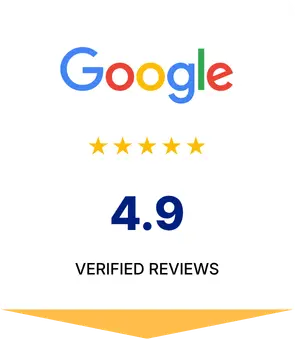
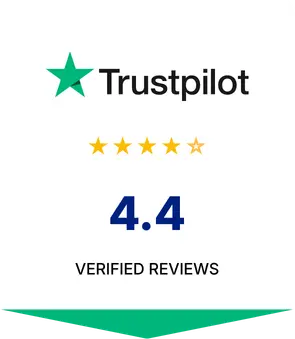
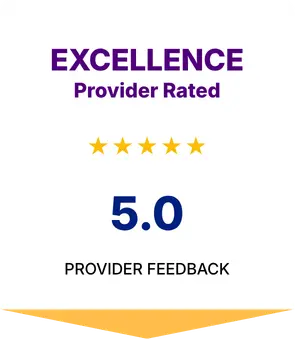
Staffingly is recognized by independent review platforms and industry bodies for our work in Prior Authorization, Eligibility, Revenue Cycle, and Virtual Medical Assistant support. Every engagement is HIPAA Compliant and backed by a signed BAA from day one. Every score here comes from a verified review platform or industry body, with no paid placements, so each badge reflects what providers and partners actually said about our work.
▶ Meet Staffingly
See how we deliver healthcare outsourcing that actually worksTop 1% of overseas clinical talent.
Every Staffingly team member holds medical higher education/degrees, MDs, RNs, and PharmDs from accredited international medical, nursing, and pharmacy programs, serving in administrative support roles, with an actively U.S. licensed Registered Nurse and Pharmacist on our team for quality review. No generic call center staff. They work your U.S. business hours in your time zone, working daily with U.S. payers, U.S. providers, and U.S. patients, serving practices across Texas, California, Florida, New York, and all 50 states.
Medical Doctors
MBBS-trained physicians handling clinical documentation and medical coding.
Registered Nurses
BSN-educated RNs managing care coordination and patient communication.
PharmDs
Licensed pharmacists for benefits verification and specialty drug PAs.
Certified Coders
CPC, CCS, and specialty-certified coders for claims and RCM.
How Does Staffingly Screen the Top 1% of Global Clinical Talent?
We process 10,000 applications annually. Only the top 1% survive our clinical boards, live simulations, and security audits. Every hire is background-checked, HIPAA-certified, and matched to your specialty before they ever touch your systems.
We’re not a call center. We’re your back office.
Month-to-month. No setup fees, no long-term lock-in. Your dedicated staff works 45 hours a week backed by a team lead and backup floater.
Your Dedicated Medical Staff
We do NOT work like a BPO. The person who starts with you stays with you. No sharing, no switching. 95% retention rate across all clients.
Pre-Trained & AI-Ready
Every VMA arrives 70-80% pre-trained through 50 modules and 300 AI voice simulations. We only need 2-3 hours from your side.
Medically Qualified Professionals
90-95% hold PharmDs or clinical degrees. They understand terminology, insurance workflows, and patient communication firsthand.
Fast Go-Live, Zero Disruption
1-2 weeks to full autopilot. Your hire syncs with your EMR and scheduling tools. Clients tell us “don’t even call me, we’re too busy.”
Risk-Free Replacement Guarantee
Not the right fit? We replace them within 5 business days at no extra cost. No contracts locking you in, no penalties.
Your Workflows, Your Way
We sync to your existing processes. Your staff works exclusively for you, follows your protocols, integrates like they’re in your office.
Will my patients know they’re speaking with offshore staff?
No. Every Staffingly VMA is an accent-neutral English speaker trained to communicate slowly and clearly. We also use AI-powered voice neutralization tools in real time. Your patients will never feel like they are speaking with an offshore team.
We work with every major EMR and payer.




















Plus 50+ additional EMRs, BCBS, Medicaid, Medicare, and 100+ regional payers.
Top Prior Auth & Eligibility Platforms
+ and many more clearinghouses, ePA hubs & benefit-check platforms
Real Questions From Providers Like You
Every answer here comes from actual strategy calls with healthcare practices across the country. No fluff, just the same straight answers we give on the phone.
Healthcare Outsourcing That Saves 70% From Day One
Virtual medical assistants, prior authorization, insurance verification, revenue cycle management, credentialing, and AI automation for medical practices, dental groups, and enterprise health systems. Book a 2-Week Free Trial and see why 800+ providers trust Staffingly as their outsourcing partner.